
OpenClaw, as a platform. Maintained for enterprise.
All your company’s agents, run as one on your own Kubernetes. You decide what each agent may use and can trace how each was deployed, and RAW Labs supports OpenClaw and OpenClaw Enterprise for you, with maintained releases and a team to call.
Two open-source projects. One platform.
OpenClaw runs the agents. OpenClaw Enterprise brings them together, with shared controls for your teams.

Maintained and supported by RAW Labs.
-
Validated releases
Exact versions, built for AMD64 and ARM64, tested and installed in a reference cluster before publication. Fixes ship as new releases. Explore the releases.
-
Enterprise support
A RAW Labs agreement sets the versions maintained, security fixes and response times, with a team to call when you need help. Explore enterprise support.
-
OpenClaw
Open source, from the OpenClaw Foundation
The runtime. Persistent agents, each with a workspace, memory, tools, application connections and a schedule.
-
OpenClaw Enterprise
Open source, built in the open
The control plane. All your OpenClaws deployed and run as one: identity, permissions, a namespace per team, deployment revisions and an audit log. It includes OpenClaw.
Maintained and supported by RAW Labs.
-
Validated releases
Exact versions, built for AMD64 and ARM64, tested and installed in a reference cluster before publication. Fixes ship as new releases. Explore the releases.
-
Enterprise support
A RAW Labs agreement sets the versions maintained, security fixes and response times, with a team to call when you need help. Explore enterprise support.
Every agent known. Every deployment recorded.
OpenClaw Enterprise (OCE) brings your company’s agents into one management layer. Teams run their own agents; platform operators set the access policies and infrastructure.
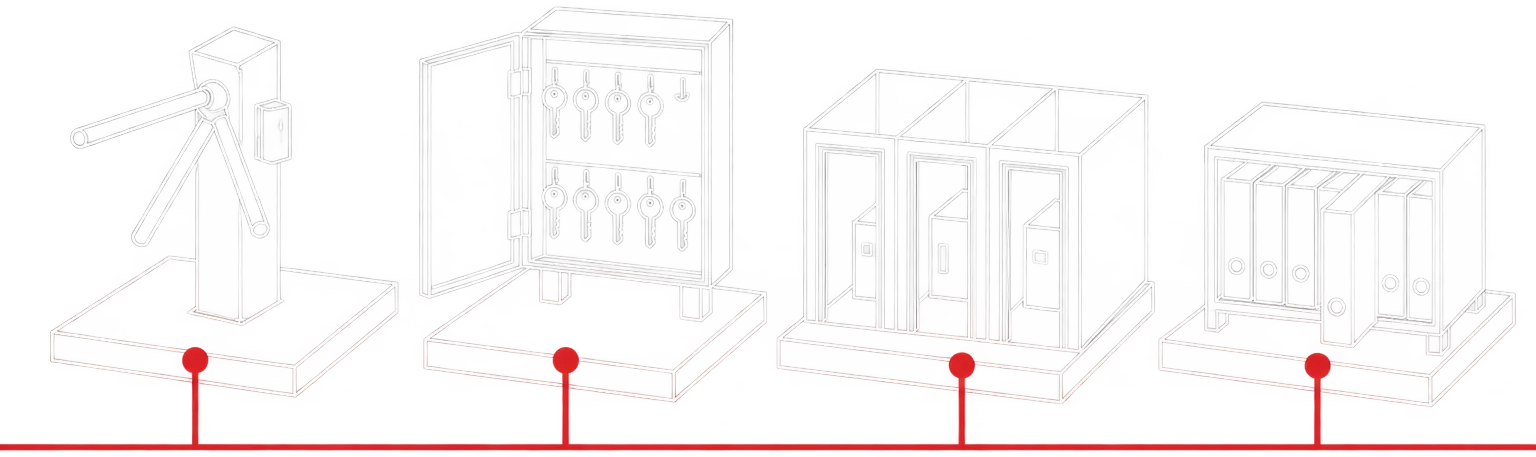
-
Identity
Each agent has its own identity and permissions, separate from the person who created it.
-
Permissions
Control who can view, configure or deploy an agent, and which credentials the agent may use.
-
Boundaries
Each team’s namespace groups its agents, configurations and credentials. Access stays within that boundary.
-
The record
Each deployment saves a configuration revision. The audit log records platform changes, permission denials and deployment outcomes.
Shared controls. Independent agents.
Sales uses the CRM; Support uses the helpdesk. Both run under shared platform controls, each with its own agents and access.
Read the OpenClaw Enterprise white paperYour infrastructure. Or ours.
The bundle installs on a Kubernetes cluster you prepare, with Linux AMD64 or ARM64 nodes, from public images or your own registry mirror. Your team operates it, or RAW Labs does.
-
On premises
In your own data centre, on your Kubernetes. Run by your team, or by ours.
Deployment and managed operations -
Your cloud
In the cloud you already use, on your Kubernetes. Run by your team, or by ours.
Deployment and managed operations -
RAW Labs Cloud
On infrastructure RAW Labs provides and runs. Opening soon; request early access.
RAW Labs Cloud

Tested as one. Shipped as one.
Each release is one archive, published with its checksum and provenance records; its container images are pinned by digest. So far every release is a pre-release, for evaluation.
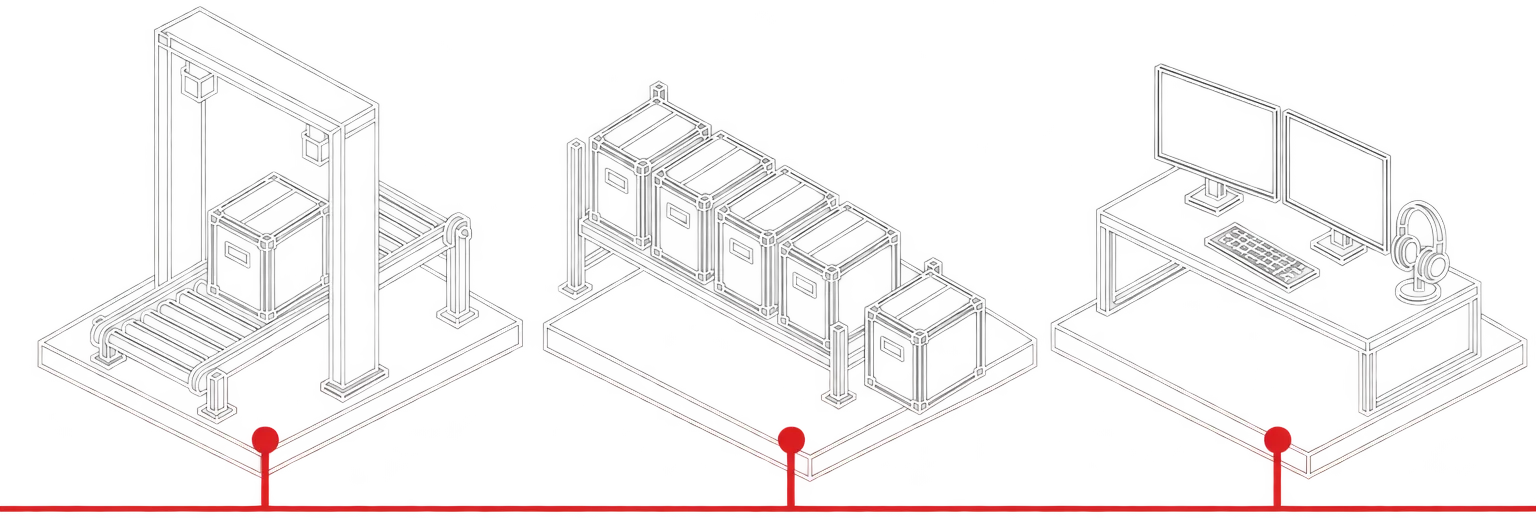
-
Validated
RAW Labs pins the exact OpenClaw Enterprise and OpenClaw commits, builds the images natively for AMD64 and ARM64 and runs their tests, then installs every release in a reference cluster before it is published.
-
Updated
Fixes ship as new versions, and a published release never changes. Each release packages OpenClaw Enterprise’s upgrade and recovery procedures; its checks cover fresh installations, so plan an update with your support contact.
-
Supported
Support comes with a RAW Labs agreement, which sets the versions maintained, security fixes and response times. Vulnerabilities are reported privately, and fixes ship as new releases.
Before you deploy. What platform teams ask.
-
Do we need OpenClaw Enterprise, or is OpenClaw enough?
OpenClaw runs the agents. OCE manages them across teams, with separate identities, permissions and deployment histories. RAW Labs ships and supports the two together.
-
How do teams work on the same platform?
Teams work in separate namespaces, each with its own agents, configurations and credentials. Platform operators manage the infrastructure and access policies across them.
-
What can we trace when an agent changes?
Deployment revisions preserve configuration history. The audit log records platform changes and their actors; prompts and tool activity need separate logging. See the white paper .
-
What exactly does RAW Labs add?
Releases of the two projects pinned to exact versions, built for AMD64 and ARM64 and checked in a reference installation. Fixes ship as new releases. Support comes with an agreement: the versions we maintain, security fixes, response times and a team to call.
-
Is it open source, or are we locked in?
OpenClaw and OpenClaw Enterprise are MIT-licensed open source, and RAW Labs’ own code in the bundle is licensed under Apache 2.0. The bundle builds OpenClaw Enterprise from RAW Labs’ public fork of it, naming every commit in each release, and we’re committed to contributing our improvements upstream. Your agents, their configuration and their state live in your installation.
-
What do we need to run it?
A Kubernetes cluster prepared as OpenClaw Enterprise’s production guide specifies: PostgreSQL, DNS and TLS, storage, separate control and runtime node pools, enforced network policies, cert-manager and Envoy Gateway, on Linux AMD64 or ARM64 nodes. A workstation with Python 3.12 or newer, Node 24 or newer, Bash, Helm 3, kubectl, jq, yq and openssl. A key for your model provider. Or let RAW Labs run it for you, on your infrastructure or in RAW Labs Cloud .
-
Which applications can agents reach?
The business applications connected for your deployment, using accounts you authorise. Access can be limited per agent.
-
Which models can we use?
OpenAI and Anthropic models, NVIDIA-hosted models, and local or self-hosted models through compatible endpoints. Model usage is billed by your provider, separately from the subscription.
-
How do upgrades work?
Each release names the exact versions it pins and packages OpenClaw Enterprise’s upgrade and recovery procedures. Its checks cover fresh installations, not an update from an earlier release, so confirm the path with your support contact first. An update redeploys the running agents together, and a Helm rollback doesn’t reverse database changes. Your team applies it, or RAW Labs does under managed operations.
-
Where does our data live?
On your own Kubernetes, on premises or in your cloud, whether your team or RAW Labs operates it; in RAW Labs’ infrastructure only when RAW Labs runs it. Model calls go to the providers you configure, and application connections use accounts you authorise.
-
How do we start?
With the work you have in mind. An assessment finds the first agent, or talk to us about the deployment itself: environment, integrations, owners and acceptance criteria.
Ready when you are