OpenClaw. Built for enterprise.

Put OpenClaw agents to work across your company. A platform set up for your business and run by your teams - with tested releases, security controls and expert support.


Who runs OpenClaw, and who builds on it

  • OpenAI

    Runs it

    Runs OpenClaw agents internally with full access to its codebases and plugins. Its engineers describe an agent that triages channels and fixes broken builds.

    OpenClaw Foundation, September 2026
  • Microsoft

    Runs it

    Employees used an early build of Scout, now Autopilot, before its launch. Microsoft says the agent is powered by OpenClaw and contributes upstream.

    Microsoft, June 2026
  • NVIDIA

    Builds on it

    NemoClaw, its one-command stack for secure always-on agents, is built on OpenClaw's MIT-licensed codebase and installs OpenClaw with its Nemotron models.

    NVIDIA, April 2026
  • Cisco

    Runs it

    Early adopters across the company, called together by its EVP of Operations to share how they use OpenClaw at work.

    Cisco, March 2026
  • Tencent

    Builds on it

    ClawPro, its enterprise platform for OpenClaw, used in beta by more than 200 organizations before launch.

    The Next Web, April 2026
  • University of Michigan

    Runs it

    Founded the Institute for Agentic Computing as the academic home for OpenClaw, where its researchers apply agents to science and engineering.

    OpenClaw Foundation, July 2026
  • Xiaomi

    Builds on it

    MiClaw, an OpenClaw agent built into the operating system of its phones.

    Yicai Global, March 2026
  • ByteDance

    Builds on it

    ArkClaw, a hosted OpenClaw on its Volcano Engine cloud, used from the browser.

    Yicai Global, March 2026

From manual work to AI-run operations.

Agents with memory and tools take on the routine work in the apps you already run, on request or on a schedule. People keep the approvals.

An organisation chart of a company where every department has an agent beside it: the CEO with a daily-briefing agent; finance with an accounting agent; operations with a procurement agent; marketing, sales, support and engineering each with their own; and, at the base, the company's inbox with an email-triage agent.

Why agents. What changes.

How much gets done, how soon, at which hours, and where your people's week goes: the same operation before agents and with them.

  • Scale

    Volume grows. The team doesn’t have to.

    Requests handled per week

    with agents before start a year on

    An agent handles the hundredth request the way it handled the first. A busy month needs no extra hands.

  • Speed

    Done as it comes in.

    Time from request to done

    before with agents minutes days

    A request is picked up the moment it arrives and worked at once. It waits for a person only where the decision is theirs.

  • Hours

    Nights, weekends, month-end.

    Work waiting to be done

    before with agents Mon Mon Mon Mon month-end

    Work keeps moving after hours and through the peaks, so Monday morning and month-end start with the queue already worked down.

  • People

    Hours back for the work that needs a person.

    Hours a week on routine work, by team

    Finance Operations Sales Support

    The copying, chasing and checking leaves your people’s week. What stays with them is the judgement, the exceptions and the relationships.

Agents in your systems. Under control.

Let agents take on more work, with clear permissions, separate team workspaces and traceable deployments. We handle setup and ongoing support.

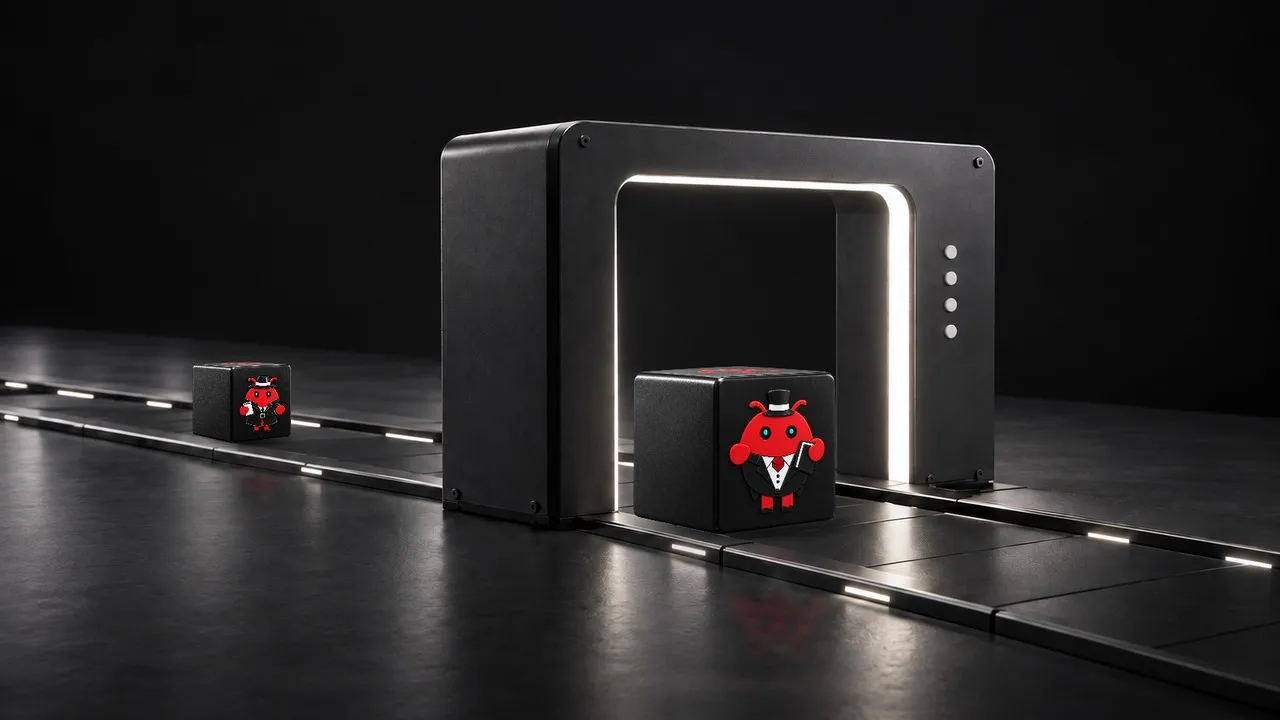
Three black agent cubes at a solid checkpoint, with indicators for the controls that govern their access.
  • Identity

    Every person and every agent signs in as a known identity. Nothing acts anonymously.

  • Permissions

    An agent gets the rights and the credentials it was given, and nothing more.

  • Boundaries

    A team's agents, configurations and credentials live in their own namespace, out of the others' reach.

  • The record

    Every deployment is a recorded revision, and every change and every refusal is attributable.

From one to all of them. Maintained for you.

Run OpenClaw across your teams with its enterprise control plane. We maintain and support both, with tested releases, updates and expert help.

OpenClaw

The runtime: agents with memory, tools and automations. From the OpenClaw Foundation.

OpenClaw Enterprise

The control plane: all your OpenClaws, deployed and run as one. Built in the open.

RAW Labs

  • Validated releases

    Supported releases, tested with our own plugins and hardened security settings.

  • Tested updates

    Patches and fixes tested against the supported combination, backward compatible, each with its upgrade procedure and recovery path.

  • Support

    Long-term support for the versions you run, with a named contact channel and agreed response targets. Covers security triage, compatibility and operating guidance.

One cube for OpenClaw and a cube of eight for OpenClaw Enterprise inside a glass case with the RAW Labs sticker, and beside the case the three things RAW Labs provides: validated releases, tested updates and support.

Your infrastructure. Or ours.

On premises or in your cloud, run by your team or by ours, or on our infrastructure. Deployment, training and managed operations when you want them.

  • On premises

    In your own data centre. Run by your team, or by ours.

  • Your cloud

    In the cloud you already use. Run by your team, or by ours.

  • Our infrastructure

    Provided and run by RAW Labs.

    About the Cloud offer

All in on OpenClaw.

We believe in OpenClaw, OpenClaw Enterprise and the community behind them. We’re putting a decade of enterprise engineering experience into helping you deploy, build and run agents for your business. And we’re committed to contributing our improvements upstream, so the whole community benefits.

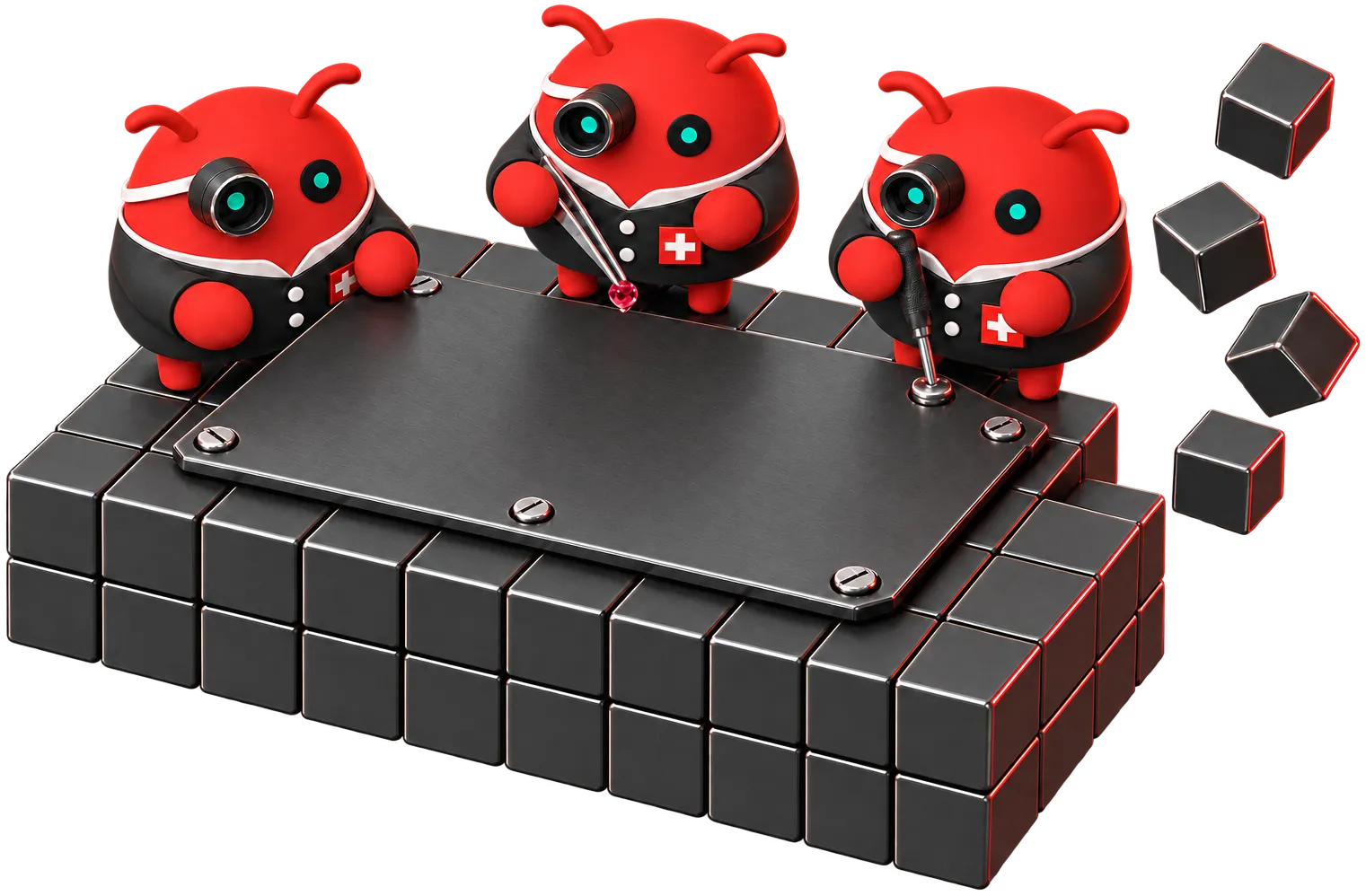
Three OpenClaw mascots dressed as Swiss watchmakers, a loupe over one eye, assemble a black clockwork movement with ruby jewels on a platform built from the hero's building blocks, a few loose cubes still arriving, one of them wearing the RAW sticker.
  • Open source

    MIT-licensed and stewarded by the independent OpenClaw Foundation.

  • Built in the open

    The control plane, OpenClaw Enterprise, is developed in the open.

  • Upstream first

    We're committed to contributing our improvements upstream.

Fair questions. Plain answers.

  1. What is Enterprise OpenClaw by RAW Labs?

    Enterprise OpenClaw is a maintained, supported bundle built on two open-source projects. OpenClaw is the runtime for persistent agents: each has a workspace, memory, tools, application connections and a schedule. OpenClaw Enterprise includes OpenClaw and provides company-wide controls: identity, permissions, namespaces per team, deployment revisions and an audit log. RAW Labs helps you deploy, operate and maintain it, with expert support.

  2. Why OpenClaw?

    Because it is the open-source agent the community chose: a runtime anyone can read, run and improve, an independent foundation behind it, and a control plane led by OpenAI and built in the open with Red Hat and NVIDIA. We would rather build on that than on a black box, and we’re committed to contributing our improvements upstream.

  3. What does RAW Labs add?

    We provide expert support, ongoing maintenance and additional release validation, plus our own enterprise connectors to business applications, agent configurations and other custom plugins, hardened security settings, patches and fixes, backward compatibility across releases, long-term support for the versions you run, an upgrade and recovery procedure, and a team to call. Your subscription covers maintenance and support for the release you use.

  4. Is it open source, or are we locked in?

    Both are MIT-licensed open source under the OpenClaw Foundation. We’re committed to contributing our improvements upstream so the wider community benefits. Your agents, their configuration and their state live in your installation.

  5. Where does our data live?

    On your own Kubernetes, on premises or in your cloud, whether your team or RAW Labs operates it; in RAW Labs' infrastructure only when RAW Labs runs it. Model calls go to the providers you configure, and memory and conversation history keep to the retention policy agreed for the deployment.

  6. Which applications and channels can agents use?

    Hundreds of integrations supported by OpenClaw, plus our own enterprise business connectors. These are tested for each deployment and to each agent’s needs.

  7. How do upgrades work?

    Each release names the versions of the runtime, control plane, plugins and deployment it covers and its known limitations, tested as one combination, with an upgrade procedure and recovery guidance. Your team applies it, or RAW Labs does under managed operations.

  8. Who operates it?

    Your team on your Kubernetes, RAW Labs on your infrastructure, or RAW Labs as the host. In every case a named operator owns monitoring, updates, incidents, backups and access administration, agreed before handover.

  9. What support is included?

    Product support at the level agreed in the quote, business hours to start, with a named contact channel and response targets. It covers platform defects, security triage, compatibility and operating guidance; custom agents and workflows are maintained under a separate agreement.

  10. Do you build the agents as well?

    Yes. Our services team prepares the environment, deploys the bundle, connects your systems and delivers the first workflows. Customer solutions build agents and integrations with agreed permissions and approvals, and training and handover prepare your users, administrators and operator.

  11. How is it priced?

    An annual subscription for the agreed installations and agent capacity covers the maintained bundle, tested updates, standard integrations and presets, documentation and product support. Implementation is a fixed project fee, managed operations and solution maintenance recur, and infrastructure, model usage and the connector service are billed separately.

  12. How do we start?

    Contact us with the work you have in mind and where it should run. We scope the first deployment together: environment, integrations, first workflows, owners and acceptance criteria.

Ready when you are

Put an agent to work